





 Topic Resources
 KEYpoints
Image
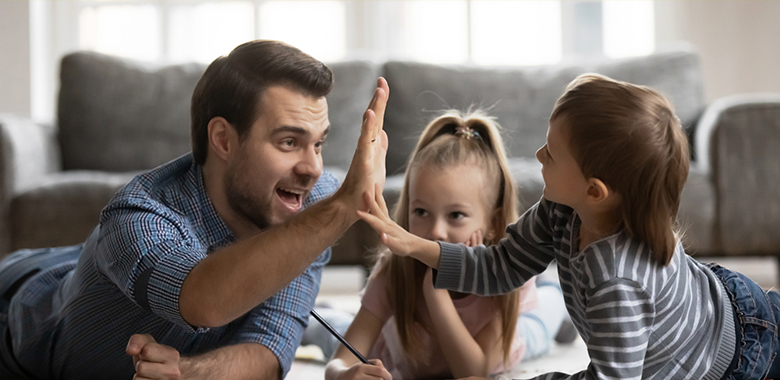

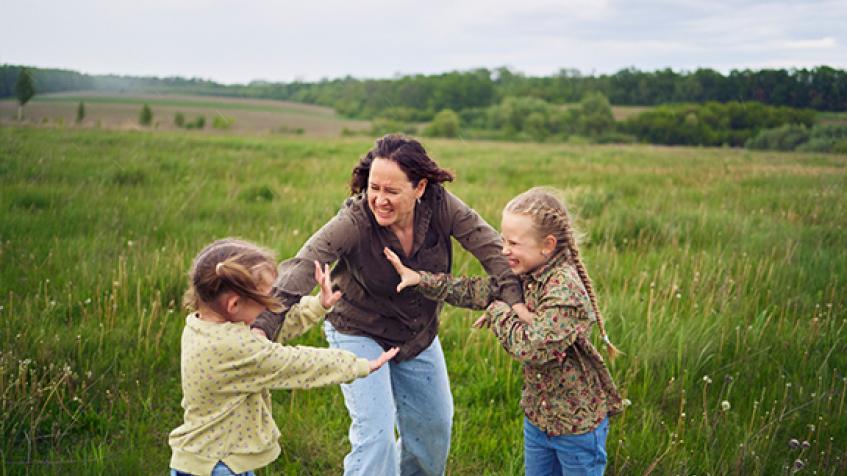
Sibling rivalry is about the everyday jealousy and squabbling that takes place between siblings. Parents often find this really hard to deal with and especially so between a sibling and disabled child. Many families find...
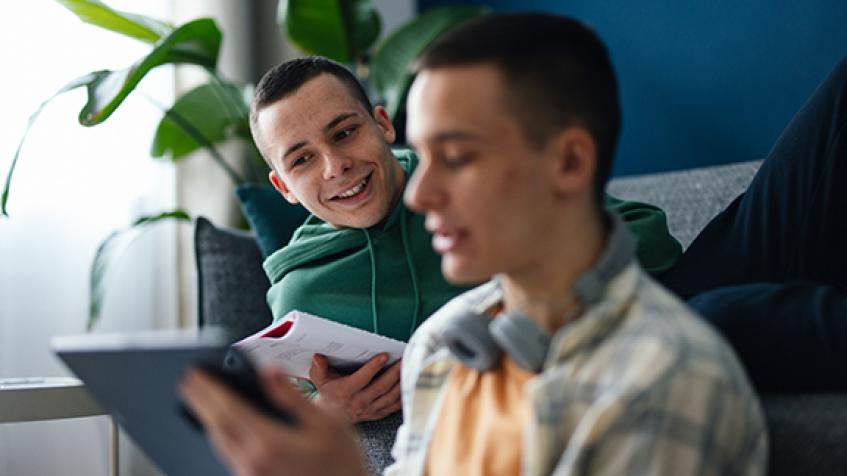
Positive sibling relationships need to be worked on in all families, whether or not there is a disabled child in the family. Tackling issues of fairness and showing siblings how to interact and play together...
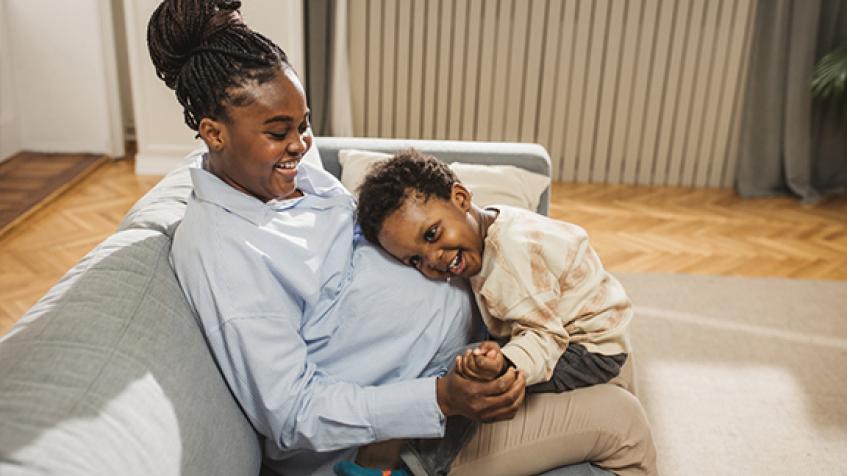
It can be difficult for older children to accept a new addition to the family. They can feel left out at the arrival of this demanding bundle that takes up their parent's attention round the...
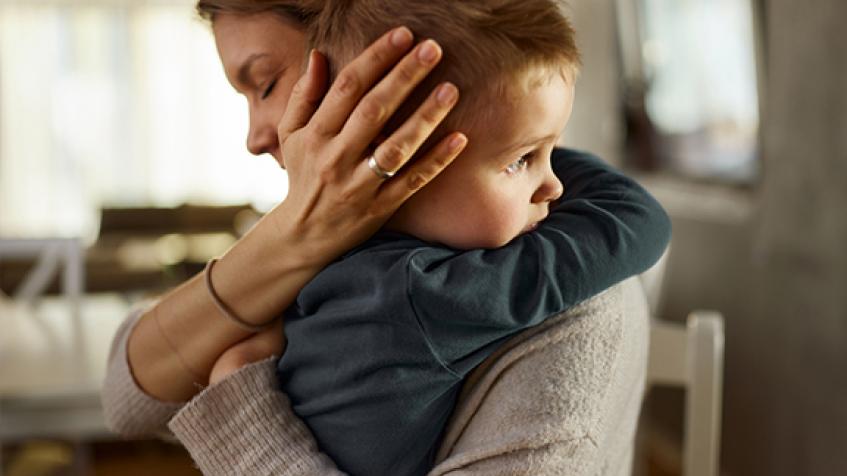
Tips for building lifelong skills No one likes dealing with conflict. But no matter how hard we try to avoid them, arguments, fights and disagreements are a fact of life - for adults and for...
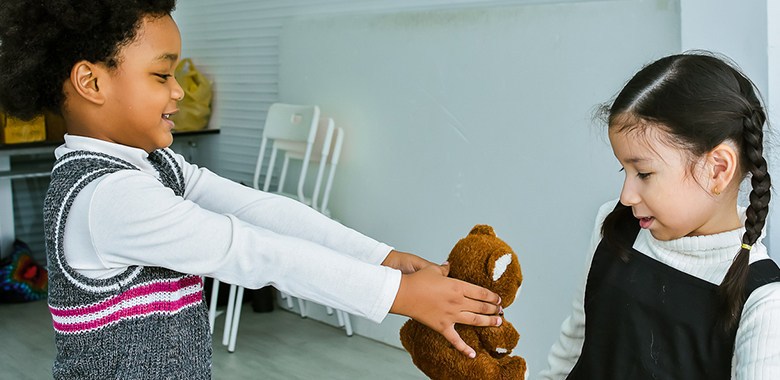
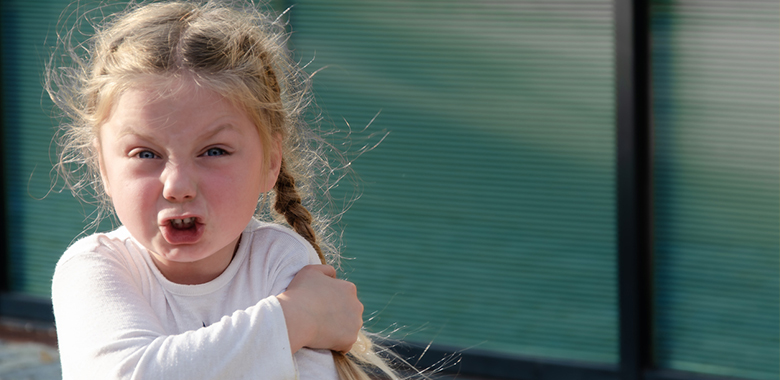
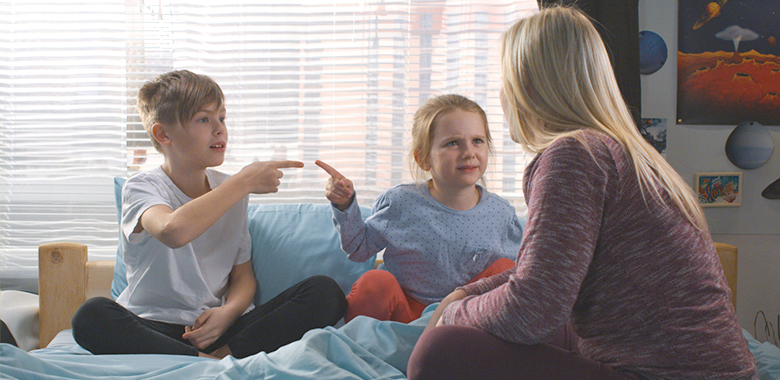
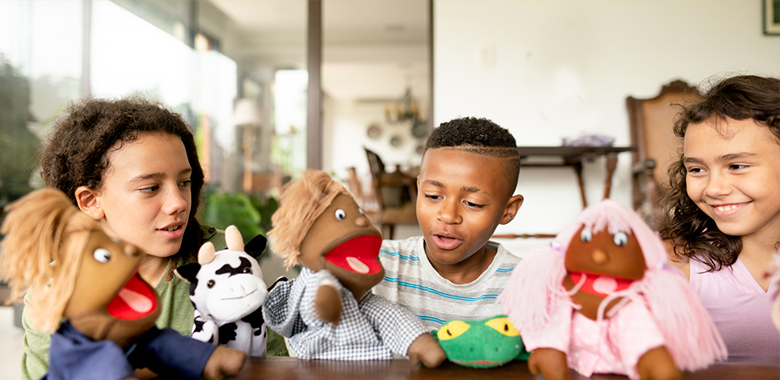
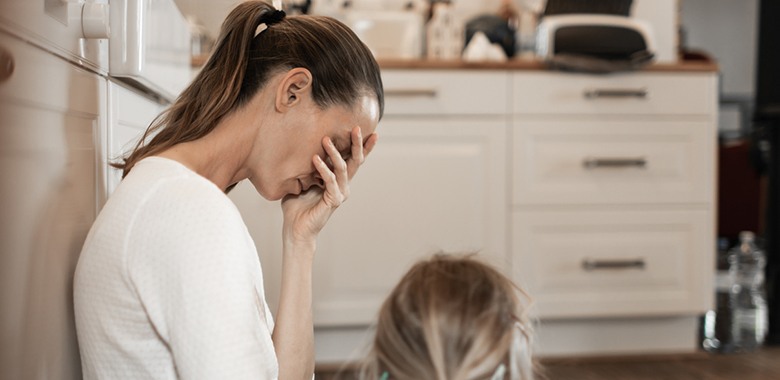
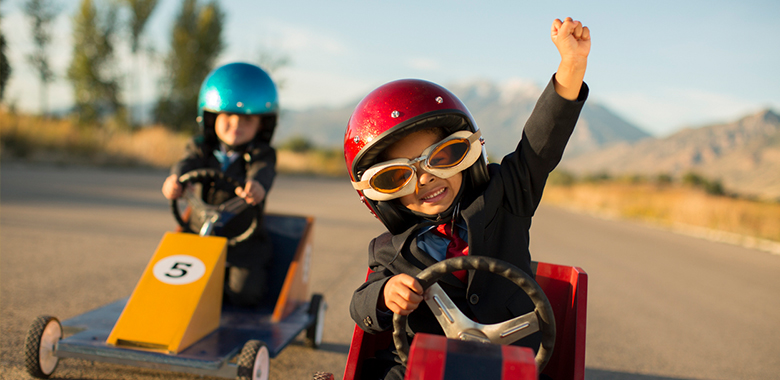
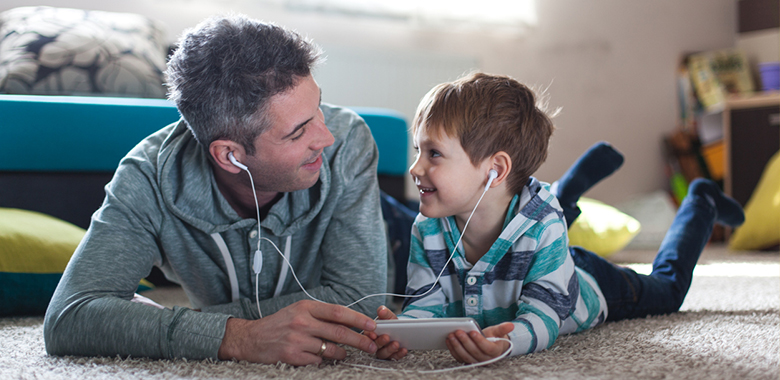
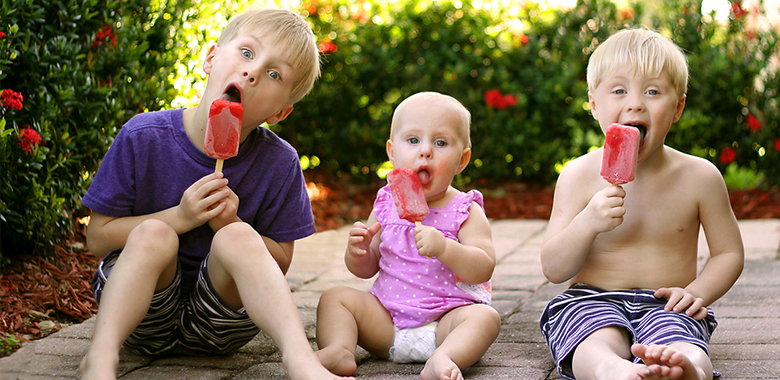
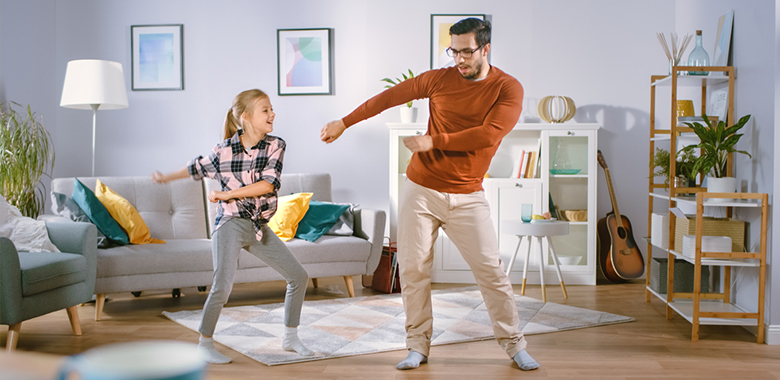
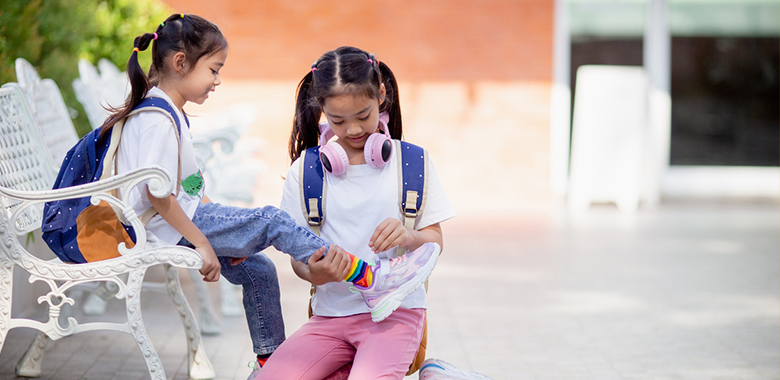
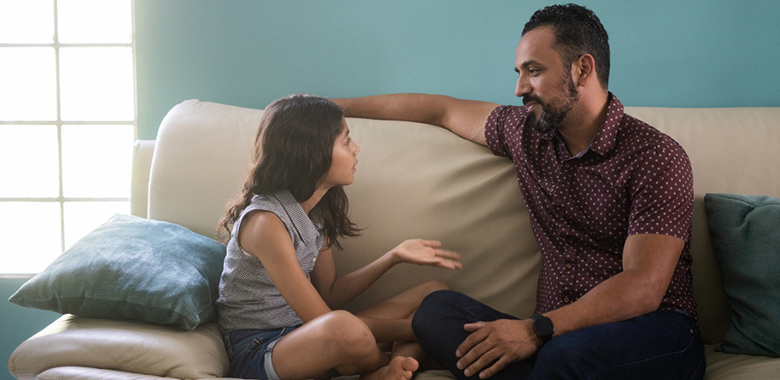
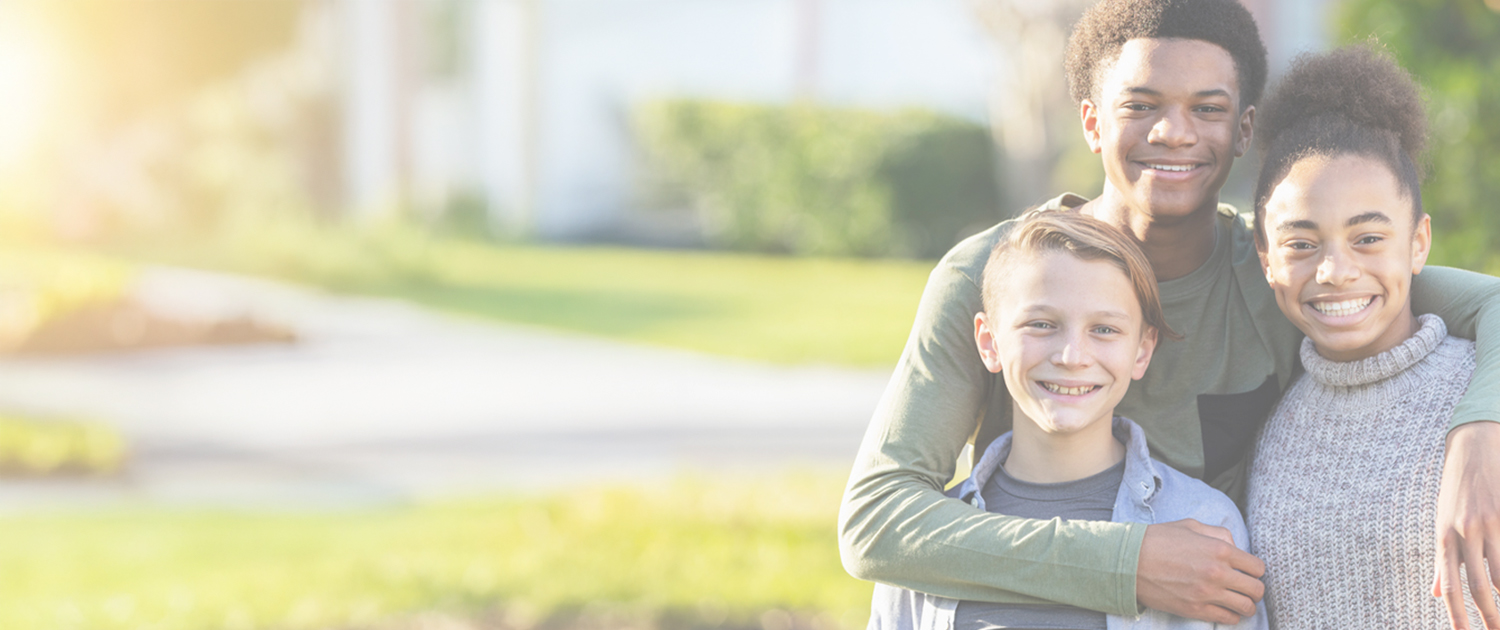
Sibling relationships play a powerful role in shaping a child's social and emotional development. For parents and caregivers, understanding the dynamics between siblings is key to promoting harmony at home and fostering resilience. These relationships can be a source of lifelong friendship and support, but they can also be marked by rivalry and conflict if not guided positively. Encouraging young people to value each other's differences, communicate openly and resolve disputes respectfully, helps build strong sibling bonds. By creating a nurturing environment that avoids comparisons and recognises individual strengths, adults can help siblings grow into compassionate, cooperative and emotionally intelligent individuals.


 Full Videos
 All Topics
 Feedback